
The roots
In the United States, punishment systems grew alongside slavery, racialized policing, forced labor, land theft, and the criminalization of poverty and difference.
Why anti-incarceration
Anti-incarceration is both a clear refusal and a practical commitment. We refuse to treat confinement and punishment as the answer to social harm. We commit to building the care, resources, and accountability that communities actually need.
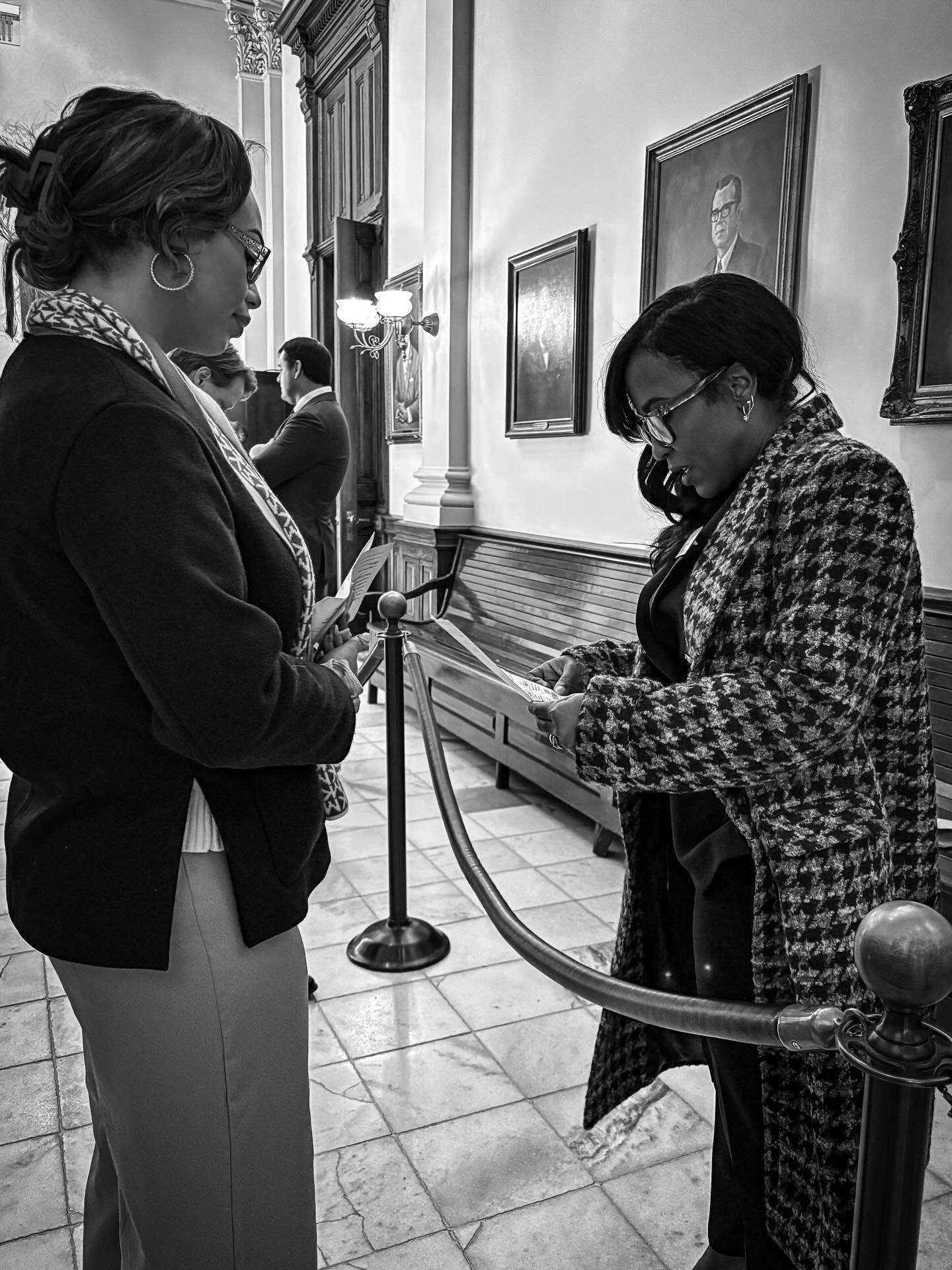
In the rooms where decisions happen
Systems change requires presence, preparation, and directly impacted voices.
Our position
Dreaming Justice Project is an anti-incarceration social justice organization. We reject cages as a solution to social harm and work to build the conditions that make safety, dignity, healing, and freedom possible.
That means reducing the power of punishment systems while expanding housing, healthcare, harm reduction, economic opportunity, restorative and transformative practices, and the leadership of directly impacted people.
A short history
In the United States, punishment systems grew alongside slavery, racialized policing, forced labor, land theft, and the criminalization of poverty and difference.
Policies built across generations dramatically expanded policing, prosecution, prisons, detention, surveillance, and exclusion from housing, work, education, and civic life.
Communities most targeted by these systems have always organized for freedom, from mutual aid and prisoner-led resistance to civil rights, disability justice, queer liberation, and modern abolition movements.
Anti-incarceration work turns that long tradition into material action: shrink the reach of punishment, meet people’s needs, repair harm, and build community-controlled ways to create safety.
What we build instead
CareHousing, food, healthcare, wellness, and harm reduction.
PowerLeadership, economic opportunity, and community control.
AccountabilityTruth, repair, changed behavior, and healing without disposal.
BelongingAffirmation, connection, and the freedom to live fully.
Keep learning
From belief to practice